
Wild & Untamed
Wild & Untamed



Wild & Untamed India
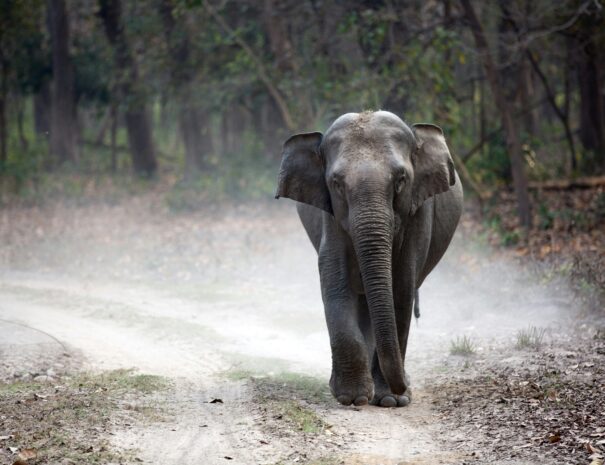
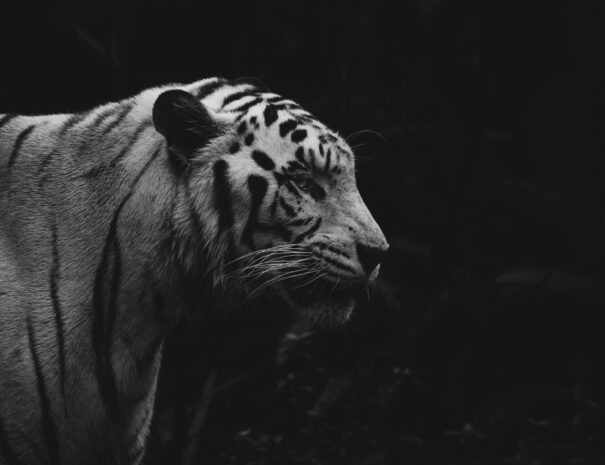
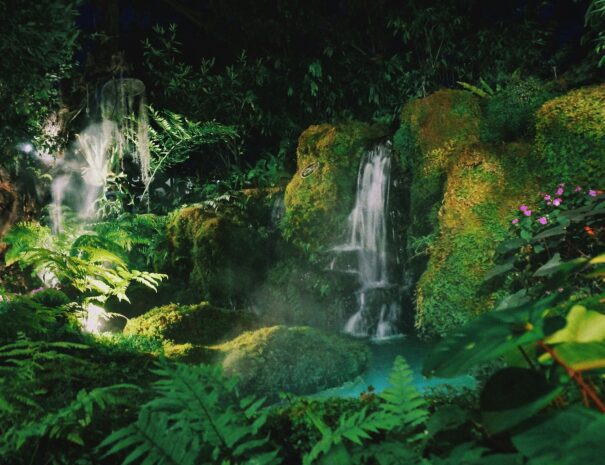
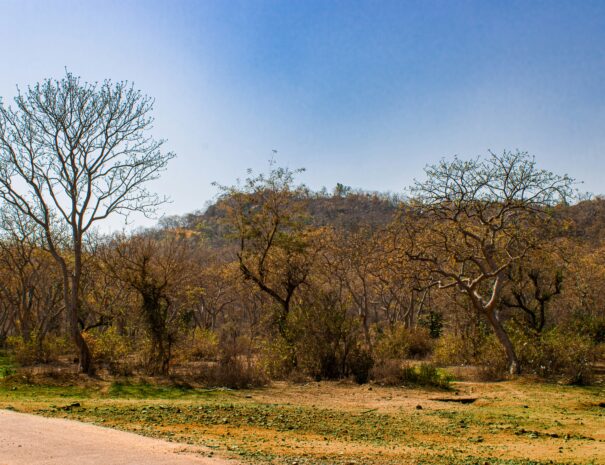
From the royal tigers of Ranthambore to the Asiatic lions of Gir, the one-horned rhinos of Kaziranga, and the mystical mangroves of the Sundarbans, embark on curated journeys blending luxury stays, gourmet dining, and immersive wildlife encounters. Perfectly designed for discerning travelers seeking both adventure and indulgence.
Highlights of Wild & Untamed India
🐅 Spot India’s Big Cats – Tigers in Ranthambore & Bandhavgarh, Asiatic Lions in Gir, and elusive leopards in Kabini.
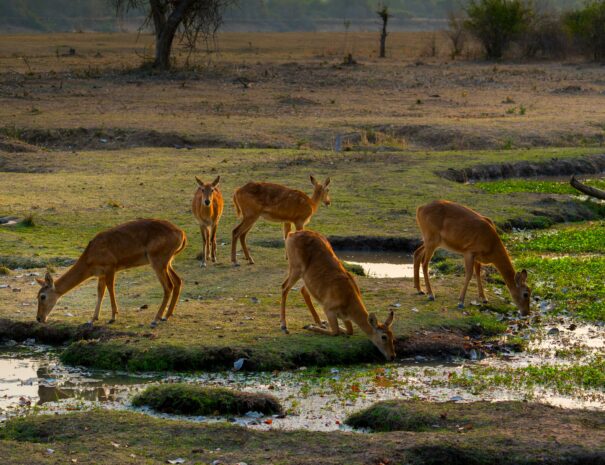
🦏 Rare & Unique Wildlife – One-horned Rhinoceros in Kaziranga, Barasingha in Kanha, elephants in Periyar & Corbett.
🏨 Luxury Jungle Lodges & Camps – Stay in Oberoi, Taj Safaris, Aman, SUJÁN and boutique eco-lodges with curated experiences.
🍴 Gourmet Wilderness Dining – Bush breakfasts, riverside dinners, spice plantation feasts, and sundowner cocktails.
🚙 Signature Safari Styles – Jeep safaris, elephant-back rides (where ethical), boat cruises, canoe safaris & walking trails.
🌿 Immersive Cultural Touches – Tribal interactions, folk music nights, heritage fort visits, and local craft experiences.
📅 Best Seasons Curated – Handpicked timings for each park to maximize wildlife sightings and comfort.
Trip Itinerary
Climate & Best Season:
• Oct–Mar: Pleasant (15–25°C), peak safari season.
• Apr–Jun: Hot (30–40°C), but best tiger sightings near waterholes.
• Park closed July–Sept (monsoon).
Luxury Stays:
• 🏨 The Oberoi Vanyavilas – Luxury tents with private gardens, spa, and tiger-themed fine dining.
• 🏨 The Oberoi Vanyavilas – Luxury tents with private gardens, spa, and tiger-themed fine dining.
• 🐾 SUJÁN Sher Bagh – Colonial safari camp style, Relais & Châteaux property.
Dining Inspirations:
• Rajasthani thalis with Laal Maas & Dal Baati Churma.
• Bush dinners under the stars with barbecue grills.
• Sundowner cocktails overlooking Ranthambore Fort.
Suggested Flow:
• 🌅 Morning: Sunrise jeep safari; return for lavish breakfast.
• 🌄 Afternoon: Visit Ranthambore Fort or Dastkar handicraft center.
• 🌇 Evening: Second safari drive; cultural performance or storytelling by naturalist.
Travel Tips & What to Pack:
• Neutral-colored cottons, scarves for dust, sunhats, binoculars, camera with zoom.
• Avoid red/bright clothes. Carry sunscreen and insect repellent.
Taking Care:
• Listen to naturalists during safari. Stay inside vehicle.
• Limited phone connectivity — encourage guests to enjoy digital detox.
Climate & Best Season:
• Nov–Feb: Cool, great for birding.
• Mar–Jun: Warm, better chance for tiger sightings.
• Monsoon (Jul–Sept) sees heavy rains, some zones closed.
Luxury Stays:
• 🌿 Taj Corbett Resort & Spa – Riverside luxury with spa and forest walks.
• 🍃 Aahana Resort – Eco-luxury, Ayurveda spa, organic meals.
Dining Inspirations:
• Kumaoni cuisine (Bhatt ki Churkani, Aloo ke Gutke).
• Kumaoni cuisine (Bhatt ki Churkani, Aloo ke Gutke).
• Healthy Ayurvedic menus at Aahana.
Suggested Flow:
• 🌅 Morning: Jeep safari in Dhikala zone, elephants and birdlife.
• 🌄 Afternoon: River walk or angling.
• 🌇 Evening: Bonfire storytelling + folk music, star-gazing.
Travel Tips & What to Pack:
• Light layers for early safaris, sturdy walking shoes.
• Sunglasses, hats, binoculars.
Taking Care:
• Stay away from riverbanks at night (elephants move freely).
• Ideal with children — but always supervise near animals/water.
UNESCO site, home to 70% of the world’s one-horned rhinoceros. Also famous for swamp deer, wild buffalo, and vibrant birdlife.
Climate & Best Season:
• Nov–Apr: Cool, prime time for rhino viewing.
• May–Jun: Hotter, fewer tourists.
• Closed Jul–Oct (monsoon).
Luxury Stays:
• 🌊 Diphlu River Lodge – Prince William & Kate’s choice, eco-luxury on the riverbank.
• 🌿 IORA – The Retreat – Spa, pool, and Assamese cultural evenings.
Dining Inspirations:
• Assamese thali with fish tenga (tangy curry) and rice.
• Bamboo-smoked pork and fresh river fish.
• Organic teas and local desserts (pithas).
Suggested Flow:
• 🌅 Morning: Elephant-back safari to view rhinos at dawn.
• 🌄 Afternoon: Jeep safari in Central Range.
• 🌇 Evening: Assamese dance & music performance, tea tasting.
Travel Tips & What to Pack:
• Warm layers for early mornings, cotton for day.
• Cameras with zoom, sunglasses, and sunscreen.
• Lightweight rain jackets (occasional showers).
Taking Care:
• Rhino safaris can be bumpy — advise comfortable seating.
• Carry cash for rural handicraft purchases; ATMs limited.
— Highest recorded tiger density in India; excellent chances of close tiger sightings near waterholes and meadows; historic Bandhavgarh Fort overlooks the reserve and adds a heritage layer to safaris. Condé Nast Traveller IndiaThe Times
Climate & Best Season
— Core-zone safaris operate Oct–Jun; peak comfort Nov–Feb, excellent sighting probability Mar–May when vegetation thins and wildlife concentrates at remaining water. tigersafaritoursindia.comNature Safari India
Luxury stays
• Mahua Kothi (Taj Safaris) — forest cottages, guided safaris, luxe service.
• Samode Safari Lodge — intimate, heritage-style cottages near the park.
• High-end private camps — exclusive, fully-catered tented options for VIP groups. The TimesWild Trails
Dining inspirations
~ • Gourmet Central-Indian (Madhya Pradesh) menus: grilled river fish, millet breads, seasonal mango desserts.
• Bush-breakfasts and private sunset sundowners with canapés and local wines.
• Themed “Tala Night” dinners: candlelit courtyard feasts with folk musicians.
Suggested day-flow
• Morning — Pre-dawn jeep safari (best light & activity). Return for lavish breakfast.
• Afternoon — Siesta, naturalist talk or photography workshop; optional visit to Bandhavgarh Fort viewpoint.
• Evening — Late safari; post-safari hot towels & cocktail ritual, followed by a bespoke multi-course dinner.
Travel tips & what to pack
• Neutral/khaki clothing, long-lens camera (300mm+), binoculars, hat, sunscreen, light fleece for mornings.
• Advance zone permits — Tala & Magadhi sell out; plan 60–90 days ahead for peak season.
Guest-care & safety
• Strictly follow naturalist/driver instructions; remain inside vehicle during safaris.
• Prepare clients for bumpy rides; offer motion-sickness remedies and accessible seating options.
Climate & Best Season — Park open 15 Oct – 30 Jun; best window Nov–Mar (pleasant) and Mar–May (high sighting probability as animals congregate at water). kanha national parkkanhaearthlodge.com
Luxury stays
• Banjaar Tola (Taj Safaris) — riverside luxury tents, private decks, expert trackers.
• Singinawa Jungle Lodge — high-comfort tents and conservation programs.
• Kanha Earth Lodge — boutique, eco-centric design. TravelTriangle.comSinginawa
Dining inspirations
• Forest-to-table menus: seasonal produce, spice blends of Central India, picnic brunch in the meadows.
• Evening “Mewari” tasting menus with local sweets (malpua, ghewar) for a royal touch.
Suggested day-flow
• Morning — Sunrise jeep safari to wide meadows for barasingha and tiger. Return for breakfast.
• Afternoon — Spa / siesta / tribal-culture visit (Baiga interactions), or art & craft demonstrations.
• Evening — Sunset safari or an interpretive wildlife film + Q&A with the naturalist.
Travel tips & what to pack
• Warm layers for early mornings, breathable fabrics for the day, good walking shoes, insect repellent, spare camera batteries.
• Photographers: bring mud/zip pouches for sudden dusty conditions.
Guest-care & safety
• Village visits require cultural sensitivity; brief guests on respectful photography & behaviour.
• Ensure children are supervised — meadows and water edges can be slippery.
Climate & Best Season — Best time Oct–Mar/Apr (winter & early spring). Late spring (Mar–May) often gives excellent sightings as animals visit man-made ponds; park closed during heavy monsoon months.
Luxury stays
• Taj Gir (Gir Serai) — five-star comfort with safari curation.
• Woods at Sasan — intimate lodge style and guided drives.
• Boutique private camps — curated for photography groups and VIPs.
• Dining inspirations • Kathiawadi cuisine: robust flavours, bajra rotla, khaman dhokla, and coastal seafood where permitted.
• Private village-hosted dinners with local musicians (Garba/Ghumar).
Suggested day-flow
• Morning — Dawn 4×4 safari (Sasan & Devalia ranges). Return for a leisurely breakfast
• Afternoon — Siesta and optional heritage village visit (Maldhari communities).
• Evening — Late drive to watch pride activity; sunset cocktails followed by a regional dinner.
Travel tips & what to pack • Light cottons & a warm layer for winter mornings; quality binoculars and telephoto lenses recommended.
• Hydration and sun protection — Saurashtra sun can be intense.
Guest-care & safety
• Obey entry timings and local forest regulations; lion behaviour is seasonal — guide interpretations are essential.
• Heat in late spring can be extreme — offer shorter vehicles and shaded waiting areas.
Climate & Best Season — Best Sept–Apr (post-monsoon to winter); comfortable weather for boat cruises and nature walks. Monsoon (Jun–Aug) is heavy and activity availability varies.
Luxury stays
• Spice Village (CGH Earth) — immersive, eco-luxury cottages with spice-garden programming.
• Thekkady Cardamom County — riverside comfort and curated nature experiences.
• Periyar Manor — boutique option with curated wildlife walks.
Dining inspirations
• Kerala spice-led cuisine: appam & stew, meen (fish) curry, tapioca delights; chef demos with cardamom, pepper & clove pairings.
• Plantation picnic lunches and chef-curated spice tasting menus.
Suggested day-flow
• Morning — Guided nature walk / bamboo raft (seasonal) in the buffer zone.
• Afternoon — Boat cruise on Periyar Lake to observe elephants at the shore; return for a spice-garden tour.
• Evening — Kalaripayattu or Kathakali performance; private spice-paired dinner.
Travel tips & what to pack
• Lightweight rain jacket (humid), good walking shoes, insect repellent, anti-allergy medications for spice aromas.
• Comfortable clothes for boat cruises and jungle walks.
Guest-care & safety
• Boat safaris follow strict capacity and timing; pre-book morning slots for best sightings.
• Maintain safe distances from wildlife; follow guide instructions on shoreline etiquette.
Climate & Best Season — Best Oct–Apr/May; winter (Nov–Feb) is comfortable for activities. Very hot in May–June; park authorities run timed activities.
Luxury stays
• Reni Pani Jungle Lodge — intimate cottages, boat access, walking & canoe safaris.
• Select boutique camps offering guided walking safaris and sustainable hospitality.
• Dining inspirations
• Riverbank dinners, bush breakfasts, locally sourced game/farm produce; tribal-inspired culinary evenings.
• Emphasis on simple, seasonal plates paired with robust local tea/coffee.
Suggested day-flow
• Morning — Guided walking safari or canoe trip (signature Satpura experiences). Return for brunch.
• Afternoon — Rock-art site or tribal-culture visit; spa / rest.
• Evening — Jeep safari or night-sky interpretation and campfire stories.
Travel tips & what to pack
• Sturdy walking shoes & gaiters, hat, electrolyte sachets, field first-aid kit, comfortable daypack.
• Guests must meet fitness guidance for walking safaris — pre-screen participants.
Guest-care & safety
• Walking safaris are always guided and ranger-led; strict adherence to briefings is essential.
• Remote location: keep clients informed about simple comforts and possible limited connectivity.
Climate & Best Season — Best Oct–May for dry-season sightings; Nov–Feb offers pleasant mornings. Monsoon (Jun–Sep) brings lushness but reduced vehicle safaris.
Luxury stays
• The Serai Kabini — riverside cottages and curated boat safaris.
• Evolve Back (Orange County) Kabini — premium wilderness lodge with wellness and safari programming.
• Kabini River Lodge — classic jungle hospitality
• Dining inspirations
• South-Indian riverside cuisine, grilled river-fish where permitted, private riverbank dinners and wildlife-themed tasting menus.
• Coffee-estate breakfasts and Kosha Mangsho-style slow braises for evening dining.
Suggested day-flow
• Morning — Boat safari along Kabini River (excellent for elephants & birds). Return to lodge for breakfast.
• Afternoon — Spa, cultural visit to a local village, or guided nature trail.
• Evening — Jeep safari into Nagarhole; sunset drinks and a riverside dinner.
Travel tips & what to pack
• Binoculars, insect repellent, neutral clothing; early morning & late evening layers.
• Book both boat & jeep safaris in advance — slots limited at popular lodges.
Guest-care & safety
• Riverine terrain calls for life-vests and guided boat crew; follow all boat safety instructions.
• Emphasize respectful local-community interactions when organizing village visits.
Climate & Best Season — Best Oct/Nov – Mar (post-monsoon & winter); calm creeks and safer navigation. The park is closed in monsoon months for safety and conservation; check current seasonal restrictions before planning. (Note: authorities may sometimes impose temporary seasonal closures — always verify latest forest department notices.)
Luxury stays & specialist operators
• Eco-lodges and specialist houseboats operating from Satjelia/Gosaba — small, expert-run camps focusing on guided creek safaris and local culture.
• Sunderban Tiger Camp and reputed local operators who provide experienced guides and forest-guard escorts.
• Dining inspirations
• Fresh Bengali coastal cuisine: prawn and fish curries (seasonal), rice-based menus, sweets like sandesh; meals served onboard or in lodge dining spaces.
• Simple, hygiene-first food service given remote conditions.
Suggested day-flow
• Morning — Early motor-boat cruise (guided by forest guards) through creeks to look for tiger tracks, crocodiles, and river-birds.
• Afternoon — Return to lodge for lunch; optional mangrove walk or village craft visit (where permitted).
• Afternoon — Return to lodge for lunch; optional mangrove walk or village craft visit (where permitted).
Travel tips & what to pack
• Seasickness tablets, waterproof camera protection, lightweight quick-dry clothing, sun protection, sturdy sandals.
• Seasickness tablets, waterproof camera protection, lightweight quick-dry clothing, sun protection, sturdy sandals.
Guest-care & safety
• Sundarbans safaris are guided and require forest-department permits and guard escorts — never travel solo in creeks.
• Tiger sightings are rare and elusive — manage expectations and emphasise the ecosystem & birdlife as core selling points.