
India is a land of diverse climates, offering something for every traveler. October to March is the most comfortable period across
the country, with cool, pleasant days ideal for sightseeing, cultural tours, and beach escapes. Summers (April–June) can be very hot
in the plains but are perfect for exploring hill stations and mountains. The monsoon season (June–September) transforms the
landscape into lush greenery, especially in Kerala, the Western Ghats, and Northeast India, making it ideal for nature lovers, though
travel can sometimes be affected by heavy rains. Winters (November–February) are perfect for heritage tours, desert safaris, and
coastal retreats.
India’s weather varies by region—plan your trip according to the season and preferred experiences, from snow-capped Himalayas
to sun-kissed beaches and vibrant cultural festivals.
✅ Summary:
- Peak travel season for most of India: October–March
- Summer (April–June): Best for hill stations and mountainous regions; plains can be very hot.
- Monsoon (June–September): Great for greenery, but some areas may have travel disruptions.
- Winter (November–February): Most comfortable for sightseeing, heritage tours, and beaches in south and west India
HIGHLIGHTS :
North India:
- Best Time: October–March
- Weather: Cool, pleasant days and crisp nights. Perfect for visiting Delhi, Agra, Jaipur, Rajasthan, Himachal Pradesh,
Uttarakhand, and Kashmir. - Highlights: Heritage tours, hill stations, desert safaris, trekking, and cultural festivals
- Tip: Summer (April–June) can be very hot, winter (Nov–Feb) brings snow in the mountains
West India
- Best Time: October–March
- Weather: Mild to warm, sunny days; ideal for Gujarat, Maharashtra, and Goa.
- Highlights: Beaches, wildlife, forts, hill stations, and vibrant urban experiences.
- Tip: Monsoon (June–September) brings heavy rainfall on the west coast.
South India
- Best Time: November–March
- Weather: Warm, humid, and sunny. Great for Kerala, Tamil Nadu, Karnataka, and Andhra Pradesh/Telangana
- Highlights: Backwaters, beaches, hill stations, temples, and cultural tours.
- Tip: Monsoon (June–September) brings heavy rainfall, especially in Kerala and Karnataka.
East & Northeast India
- Best Time: October–April
- Weather: Cool and dry; perfect for West Bengal, Odisha, Sikkim, Darjeeling, and the Seven Sisters (Assam, Meghalaya,
Arunachal, etc.). - Highlights: Tea gardens, mountains, monasteries, rivers, wildlife, and cultural experiences
- Tip: Monsoon season (June–September) brings heavy rainfall and occasional travel disruptions
Central India
- Best Time: October–March
- Weather: Mild to warm and dry, ideal for Madhya Pradesh and Chhattisgarh.
- Highlights: Tiger safaris, forts, palaces, and heritage sites.
- Tip: Summers can be very hot (up to 45°C); winter is perfect for safaris and sightseeing
Andaman & Nicobar Islands
- Best Time: November–April
- Weather: Tropical, sunny, and pleasant
- Highlights: Beaches, snorkeling, diving, and tropical forest exploration.
- Tip: Monsoon (June–October) brings heavy rain and rough seas

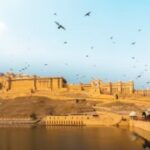
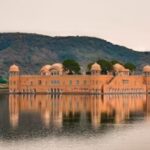
Best Time to Visit: October–March – Crisp desert nights, vibrant festivals, and the allure of luxury camps under the stars.
Summer (April–June): 32–45°C – Intense desert heat, yet a quieter landscape offers the privacy of royal forts and palaces. Sundrenched days invite majestic explorations, while evenings bring dramatic sunsets over the dunes.
Monsoon (July–September): 25–35°C – Occasional showers breathe life into the Aravalli hills and desert flora. Tourist spots are
serene, offering a tranquil, almost cinematic experience.
Winter (October–March): 8–28°C – Perfect for fort visits, desert safaris, and rooftop dining under clear skies. Wrap up warmly for
the nights; the days are pleasantly crisp.
Extra Charm: Rajasthan’s deserts are unrivaled for stargazing, camel caravans evoke cinematic elegance, and festivals like the
Pushkar Camel Fair and Holi infuse local culture with vibrant color and energy.
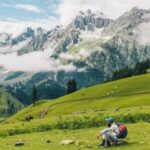

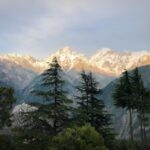
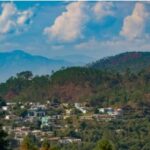
Best Time to Visit: April–June & September–October – Blooming apple orchards, sun-drenched valleys, and perfect conditions for
trekking and hill station escapes.
Summer (April–June): 15–30°C – Pleasant days and cool nights make Shimla, Manali, and Dharamshala ideal for sightseeing. Scenic
drives through verdant valleys and sunlit peaks are picture-perfect.
Monsoon (July–September): 12–25°C – Lush greenery and cascading waterfalls dominate the landscape. Occasional landslides
may slow travel, but the tranquil, rain-kissed scenery is unforgettable.
Winter (November–February): -2–15°C – Snow blankets higher altitudes, creating cozy mountain retreats. Warm fires, Himachali
blankets, and hot chai make the chill inviting rather than harsh.
Extra Charm: Trekking trails like the Hampta or Triund offer breathtaking panoramas. Cultural festivities, especially Dussehra in
Kullu, highlight vibrant local traditions amid majestic Himalayan backdrops.


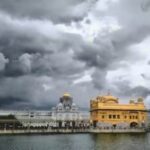
Best Time to Visit: October–March – Pleasant weather, vibrant festivals, and the perfect backdrop for heritage tours and cultural
experiences.
Summer (April–June): 30–45°C – Hot days, but the region’s lively towns and historic sites offer a glimpse into Punjab’s spirited
culture. Early mornings and evenings are ideal for exploring.
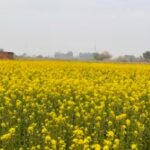
Monsoon (July–September): 28–35°C – Moderate to heavy rainfall rejuvenates the mustard fields, turning the landscape into a
vivid sea of green and yellow. Travel may be interrupted by occasional showers.
Winter (October–March): 5–25°C – Crisp, comfortable days perfect for visiting Golden Temple, Wagah Border, and rural villages.
Evenings invite cozy walks in mustard fields or historic town squares.
Extra Charm: Festivals like Baisakhi and Lohri bring Punjab’s rich culture to life with color, music, and dance. Culinary delights—
from butter-laden parathas to rich lassis—offer a taste of the region’s soul.
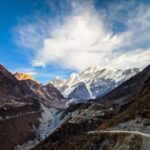

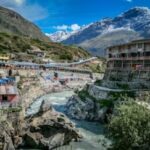
Best Time to Visit: March–June & September–October – Clear skies, blossoming valleys, and perfect conditions for trekking,
spiritual journeys, and scenic escapes.
Summer (March–June): 15–35°C – Pleasant days in hill stations like Nainital, Mussoorie, and Ranikhet. Ideal for river rafting in
Rishikesh, nature walks, and panoramic mountain treks. Crisp mornings and sunlit afternoons make every view breathtaking.
Monsoon (July–September): 18–30°C – Hills and valleys flourish with lush greenery and cascading waterfalls. Travel may
occasionally be slowed by landslides, but the rejuvenated landscapes are a visual delight.
Winter (November–February): 0–15°C – Snow blankets higher altitudes; cozy mountain retreats and warm fires make it inviting.
The plains remain pleasantly cool, perfect for cultural and spiritual tours.
Extra Charm: Spiritual towns like Rishikesh and Haridwar offer a serene experience along the Ganges. Trekking routes unveil aweinspiring Himalayan panoramas, while local fairs and festivals add vibrant cultural color to your journey.
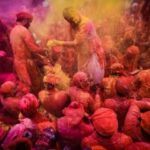



Best Time to Visit: October–March – Crisp days, cool evenings, and the perfect climate for exploring grand monuments, sacred
ghats, and bustling markets.
Summer (April–June): 30–45°C – Hot and sunny, yet early mornings and evenings are ideal for sightseeing at iconic sites like the
Taj Mahal, Varanasi Ghats, and Fatehpur Sikri. Heat may be intense, but history never felt so alive.
Monsoon (July–September): 28–35°C – Occasional heavy rains bring a lush vibrancy to the landscape. Travel can be interrupted,
but the refreshed greenery and flowing rivers offer a serene experience.
Winter (October–March): 5–25°C – Perfect for exploring heritage cities, attending cultural performances, or enjoying a boat ride
on the Ganges. Days are sunny and comfortable, nights are crisp.
Extra Charm: Uttar Pradesh is a cultural treasure trove. Festivals like Diwali in Varanasi and Holi in Mathura bring colors, music,
and energy to life. Culinary delights—from street snacks to traditional Mughlai cuisine—add a flavorful dimension to your journey.

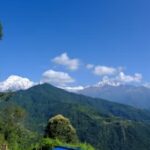

Best Time to Visit: March–June & September–November – Clear skies, blooming rhododendrons, and crisp mountain air make it
ideal for trekking, sightseeing, and cultural exploration.
Summer (March–June): 10–25°C – Pleasant temperatures, perfect for exploring Gangtok, Darjeeling, and the scenic mountain
passes. Tea gardens, monasteries, and panoramic Himalayan views shine under the sun.
Monsoon (July–September): 12–22°C – Hills turn lush and waterfalls cascade with vigor. Landslides can occasionally affect travel,
but the vibrant greenery and misty vistas are enchanting.
Winter (November–February): 0–15°C – Chilly days and frosty nights; higher altitudes may receive snow. Cozy mountain lodges
and local cafés provide warmth, while the Himalayan vistas remain spectacular.
Extra Charm: Sikkim and Darjeeling are cultural gems, blending Buddhist monasteries, colonial charm, and tea heritage. Festivals
like Losar and Darjeeling Tea Festival add vibrant local color, making every visit memorable.





Best Time to Visit: October–April – Clear skies, mild temperatures, and breathtaking landscapes perfect for nature treks, cultural
experiences, and wildlife exploration.
Summer (March–June): 20–30°C – Pleasant and verdant, ideal for exploring Meghalaya’s living root bridges, Assam’s tea gardens,
and Arunachal Pradesh’s pristine valleys. Days are sunny, evenings refreshingly cool.
Monsoon (July–September): 18–28°C – Heavy rainfall transforms the region into a lush paradise of waterfalls and greenery. Travel
can be challenging due to landslides, but the scenery is unmatched in its vibrancy.
Winter (November–February): 10–25°C – Crisp, comfortable temperatures make it perfect for cultural tours, wildlife spotting, and
leisurely exploration of local villages.
Extra Charm: Each state has a unique cultural identity—festivals, handwoven textiles, and tribal traditions abound. From the living
root bridges of Meghalaya to Kaziranga’s rhinos in Assam, the Seven Sisters offer unforgettable experiences for nature and culture
lovers alike
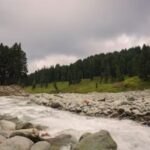
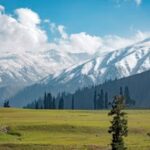
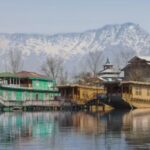
Best Time to Visit: April–October – Pleasant temperatures, blooming meadows, and crystal-clear skies make it ideal for
sightseeing, trekking, and nature escapes.
Summer (April–June): 15–30°C – Perfect for exploring Srinagar’s houseboats, Gulmarg’s meadows, and Pahalgam’s trails. Crisp
mountain air and sunlit valleys create a postcard-perfect experience.
Monsoon (July–September): 15–25°C – Occasional rains bring lush greenery and flowing rivers. Travel may be affected by
landslides, but the vibrant landscapes are enchanting.
Winter (November–March): -5–10°C – Snow blankets higher altitudes like Gulmarg and Pahalgam. Ideal for skiing, snow
adventures, and cozy stays by the fire.
Extra Charm: Kashmir’s charm lies in its scenic beauty and cultural richness. Shikara rides on Dal Lake, Mughal gardens in bloom,
and local handicrafts create timeless memories. Festivals like Tulip Festival in spring showcase nature’s brilliance, while winter
sports offer adrenaline and elegance



Best Time to Visit: October–March – Pleasant weather perfect for exploring wildlife sanctuaries, ancient temples, and majestic
forts.
Summer (April–June): 30–45°C – Hot inland, yet mornings and evenings are ideal for wildlife safaris in Kanha, Bandhavgarh, and
Pench. Archaeological sites and forts remain fascinating under sunlit skies.
Monsoon (July–September): 25–35°C – Moderate to heavy rains bring forests and rivers to life. Travel may be affected in some
regions, but the lush landscapes offer an unmatched scenic experience.
Winter (October–March): 10–25°C – Comfortable temperatures perfect for sightseeing, heritage tours, and jungle safaris. Crisp
mornings and clear skies enhance the beauty of historical towns and national parks.
Extra Charm: Madhya Pradesh is a treasure trove of wildlife, history, and culture. From tiger safaris in national parks to the
UNESCO heritage of Khajuraho temples and the palaces of Gwalior, every journey is steeped in grandeur and adventure




Best Time to Visit: November–February – Pleasant temperatures, clear skies, and the perfect climate for beaches, water sports,
and cultural exploration.
Summer (March–June): 25–35°C – Warm and humid, ideal for quieter beaches and off-season escapes. Early mornings and late
evenings offer the perfect beach experience with fewer crowds.
Monsoon (June–September): 24–32°C – Heavy rains rejuvenate greenery and rivers. Beaches are serene, rivers are full, and the
landscape turns lush, making it perfect for nature and wellness retreats.
Winter (November–February): 20–32°C – Sunny days, cool breezes, and vibrant nightlife. Ideal for beach lounging, exploring
Portuguese heritage towns, and enjoying the festival atmosphere of Goa Carnival.
Extra Charm: Goa blends sun, sea, and culture effortlessly. From pristine beaches and colonial architecture to vibrant flea markets,
local cuisine, and water sports, every visit offers a mix of relaxation and adventure


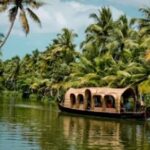
Best Time to Visit: November–March – Pleasant temperatures, clear skies, and calm waters make it perfect for houseboat cruises,
beach retreats, and cultural experiences.
Summer (March–June): 25–35°C – Warm and humid, ideal for exploring hill stations like Munnar and Wayanad. Early mornings and
late evenings offer cooler, tranquil experiences in tea gardens and spice plantations.
Monsoon (June–September): 24–32°C – Heavy rains transform the landscape into lush greenery. Waterfalls, rivers, and backwaters
brim with life, making it perfect for wellness retreats and Ayurvedic experiences.
Winter (November–March): 20–32°C – Sunny days, mild humidity, and pleasant nights. Ideal for houseboat cruises, beach
lounging, and exploring cultural sites like Kochi and Alleppey.
Extra Charm: Kerala’s charm lies in its tranquil backwaters, vibrant culture, and spice-scented landscapes. Traditional Kathakali
performances, snake boat races, and Ayurvedic treatments create a holistic and immersive experience for every traveler.
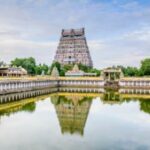
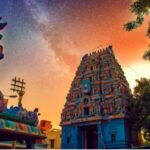
Best Time to Visit: November–February – Pleasant temperatures, clear skies, and ideal conditions for cultural tours, temple
explorations, and coastal retreats.
Summer (March–June): 30–40°C – Hot inland, yet mornings and evenings are perfect for exploring temples in Madurai, Thanjavur,
and Kanchipuram. Coastal areas offer slightly cooler breezes for a comfortable experience.
Monsoon (July–October): 25–35°C – Moderate rainfall refreshes landscapes and temple towns. Occasional showers add charm to
hill stations like Ooty and Kodaikanal.
Winter (November–February): 20–32°C – Ideal for temple visits, cultural explorations, and enjoying the scenic Nilgiri hills. Days are
sunny and comfortable, while evenings invite leisurely strolls along beaches and heritage towns.
Extra Charm: Tamil Nadu is a cultural treasure. From the majestic temples of Mahabalipuram and Madurai to classical dance
performances and vibrant local festivals, every experience blends history, devotion, and art in an unforgettable journey.



Best Time to Visit: November–April – Sunny skies, calm seas, and perfect conditions for beaches, water sports, and island
hopping.
Summer (March–June): 28–35°C – Warm and tropical, ideal for snorkeling, diving, and exploring hidden beaches. Early mornings
and late afternoons are perfect for serene coastal walks.
Monsoon (July–October): 25–32°C – Heavy rains and rough seas limit water activities. The islands transform into lush green
sanctuaries, perfect for quiet retreats and nature immersion.
Winter (November–February): 23–30°C – Pleasant and breezy, perfect for beach lounging, scuba diving, and exploring tropical
forests. The turquoise waters are at their most inviting, and sunsets are spectacular.
Extra Charm: The Andamans offer an unparalleled tropical escape. From snorkeling among coral reefs and vibrant marine life to
exploring limestone caves, tropical forests, and secluded beaches, every visit feels like a private paradise.